The Ultimate Guide to Birthday Flowers by Season: Spring, Summer, Fall & Winter Blooms
As personalization continues to shape the gifting industry, seasonal birthday flowers have emerged as a thoughtful alternative to generic bouquets. Senders increasingly seek blooms that not only match the recipient’s birth month but also align with local growing conditions, sustainability values, and the natural rhythm of the year. This analysis examines the current landscape, practical considerations, and likely direction of this trend.
Recent Trends
Over the past few seasons, florists and online retailers have reported a steady uptick in requests for locally sourced, in-season birthday arrangements. Social media platforms showcase “seasonal flower maps” and birth-month guides that emphasize variety over tradition. Key developments include:

- Rise of “seasonal capsule” bouquets curated around a single birth month but using only what is naturally available in that three-month window.
- Retailers offering subscription services that deliver month-specific blooms tied to the season rather than the calendar month alone.
- Consumer preference shifting from hothouse imports toward hardy, native flowers that last longer in home environments.
Background
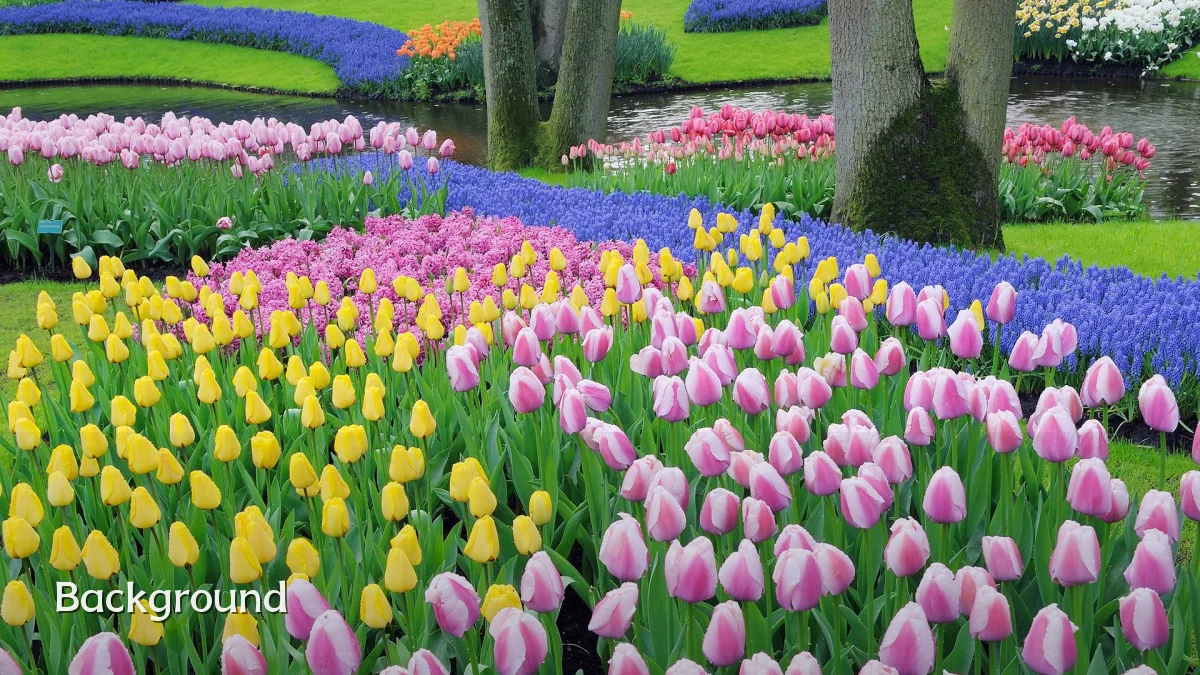
Associating flowers with birth dates has historical roots in Victorian floriography, but the modern “birth flower” list is a 20th-century convention. Each month traditionally has one or two symbolic blooms—for instance, carnations for January, roses for June, marigolds for October. However, a seasonal framework groups these by what actually blooms in each hemisphere’s spring, summer, fall, and winter. This approach resolves discrepancies where a birth month flower may not be in season locally, such as peonies for June in temperate zones where they peak in late spring.
User Concerns
When selecting birthday flowers by season, recipients and givers alike voice several practical worries:
- Availability: A spring birthday in early March may miss the peak of tulips or daffodils, depending on regional climate and weather variability.
- Longevity: Some seasonal blooms—like peonies or garden roses—have shorter vase lives than sturdier fall options such as chrysanthemums or sunflowers.
- Cost fluctuation: Flowers at peak harvest tend to be more affordable, but unexpected frosts or heatwaves can temporarily spike prices.
- Personal meaning: Many recipients still expect the traditional birth month flower, even if it is out of season, leading to tension between tradition and sustainability.
Likely Impact
The shift toward seasonal birthday flowers is expected to influence several areas of the floral industry and consumer behavior:
- Florists may adjust inventory to emphasize regionally appropriate options, reducing reliance on global shipping and cold storage.
- Consumers could become more open to accepting substitute flowers—like an arrangement of early spring bulbs for a March birthday instead of imported daffodils.
- Gift guides and online search algorithms will increasingly display seasonal pairings, potentially changing how “birth flower” content is written, searched, and sold.
- Dried and preserved flowers, which are available year-round, may gain traction as a compromise for off-season preferences.
What to Watch Next
Looking ahead, several developments could reshape the seasonal birthday flower landscape:
- Local climate data integration: Apps and websites that match a person’s geographic region with real-time bloom calendars may replace fixed birth month lists.
- DIY and grow-your-own movements: More consumers may start small cutting gardens tailored to the birthday seasons of family members, especially for spring and summer births.
- Cross-hemisphere nuance: As international gifting grows, services may need to offer two-season options for recipients living in opposite hemispheres.
- Sustainability certifications: Eco-labels for “in-season and locally grown” could become a buying criterion for environmentally conscious gift-givers.
As the conversation around seasonal gifting matures, birthday flowers by season offer a practical yet meaningful way to align celebration with nature’s actual rhythm—making each bloom a more honest, and often more memorable, gesture.