The Ultimate Guide to Choosing the Perfect Flower Arrangement for Any Occasion

Floral arrangements remain a staple for celebrations, condolences, and everyday gestures, but the process of selecting the right one has shifted as consumer expectations and shop practices evolve. This analysis breaks down current market dynamics, common buyer dilemmas, and what to expect next from flower arrangement shops.
Recent Trends
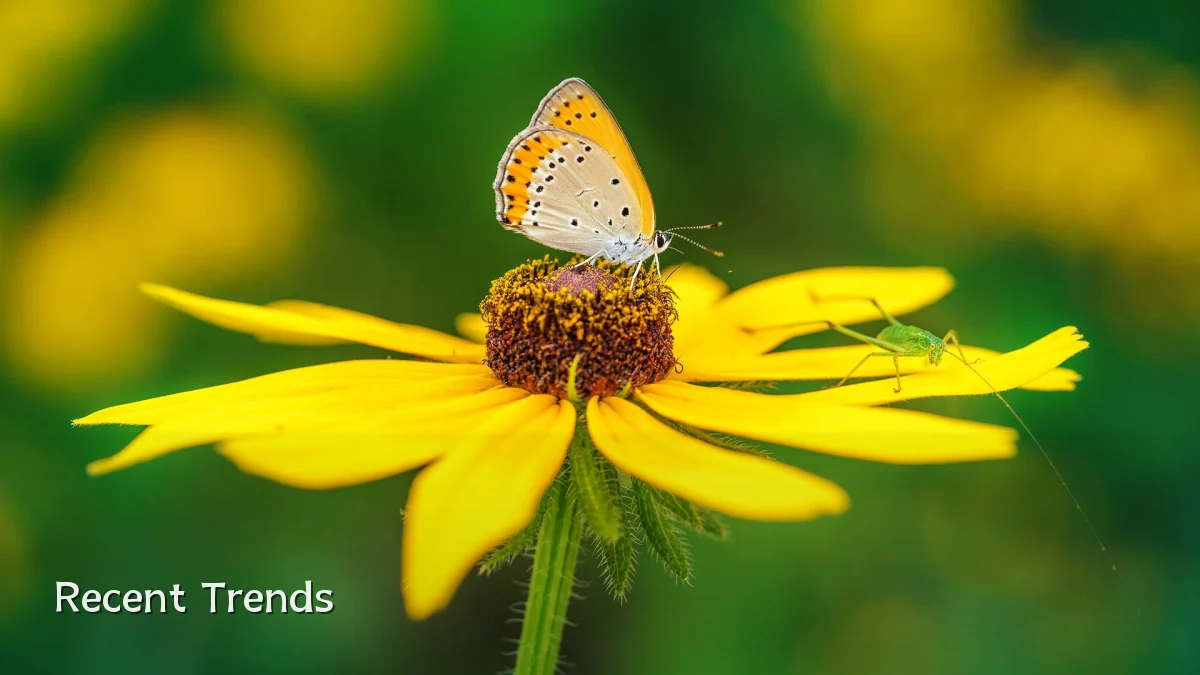
- Sustainability drives design – Shops increasingly source locally grown, seasonal blooms to reduce carbon footprint and extend vase life. Arrangements now often include foliage and dried elements rather than only cut flowers.
- Customization over fixed bouquets – Many retailers offer online configurators where customers choose color palettes, flower types, and vase styles, moving away from pre-made bundles.
- Occasion-specific themes – Arrangements tied to trending aesthetics (e.g., minimalist, boho, or garden-style) are marketed for specific events like intimate weddings, corporate gifts, or sympathy tributes.
- Subscription and repeat services – Weekly or monthly delivery plans have grown, appealing to households and offices wanting consistent fresh flowers without repeat selection effort.
Background
Flower arrangement shops have long served as intermediaries between growers and gift-givers. Traditionally, customers relied on in-person consultations and predetermined seasonal offerings. Over the past decade, e‑commerce and social media reshaped the industry: online platforms now allow comparison of multiple shops, customer reviews heavily influence purchases, and same-day delivery has become a baseline expectation in urban areas. The shift has forced shops to balance perishable inventory with demand volatility—a challenge that remains central to their operations.

User Concerns
When choosing an arrangement for any occasion, buyers typically weigh several practical factors. These concerns are consistent across both online and in‑store purchases:
- Freshness and longevity – How long will the flowers last? Shops that provide care instructions and source directly from growers tend to earn higher trust.
- Budget versus perceived value – Customers want arrangements that look generous within their price range. Assembly quality, container choice, and filler integration affect perceived worth.
- Delivery reliability – For time-sensitive events (birthdays, funerals), on-time arrival is non‑negotiable. Shops often offer time windows but may struggle with logistics during peak periods.
- Allergies and sensitivities – Fragrance-free or low-pollen arrangements are increasingly requested, particularly for hospital and workplace deliveries.
- Message appropriateness – Certain flowers carry cultural or traditional meanings (e.g., red roses for romance, white lilies for sympathy). Missteps can cause unintended offense.
Likely Impact
These user concerns and market trends are reshaping how flower arrangement shops operate. Retailers that invest in transparent sourcing, flexible customization, and reliable logistics are gaining repeat business, while those relying solely on generic bouquets face margin pressure. The demand for eco‑conscious products pushes shops to simplify packaging and reduce floral waste—changes that may raise short-term costs but improve brand loyalty. Additionally, the rise of subscription models encourages shops to plan inventory more accurately, reducing overstock and spoilage.
For consumers, the shift means more thoughtful options: arrangements that last longer, align with personal values, and communicate the intended sentiment without guesswork. However, the abundance of choices can also lead to decision fatigue, prompting shops to offer guided recommendations or expert chats.
What to Watch Next
- Integration of AI and imagery – Some shops are testing photo‑based search tools where users upload an image and receive similar arrangement suggestions. Widespread adoption could simplify selection.
- Local hub networks – To improve freshness and reduce delivery fees, more shops may partner with local growers or use micro‑fulfillment centers in neighborhoods.
- Hybrid event services – As celebrations blend in‑person and virtual attendees, arrangement shops may offer “dual delivery” packages—one physical bouquet for the venue and a digital flower credit for remote guests.
- Regulatory attention – Environmental rules on pesticide use and floral waste disposal could tighten, raising compliance costs for shops that import flowers from regions with looser standards.