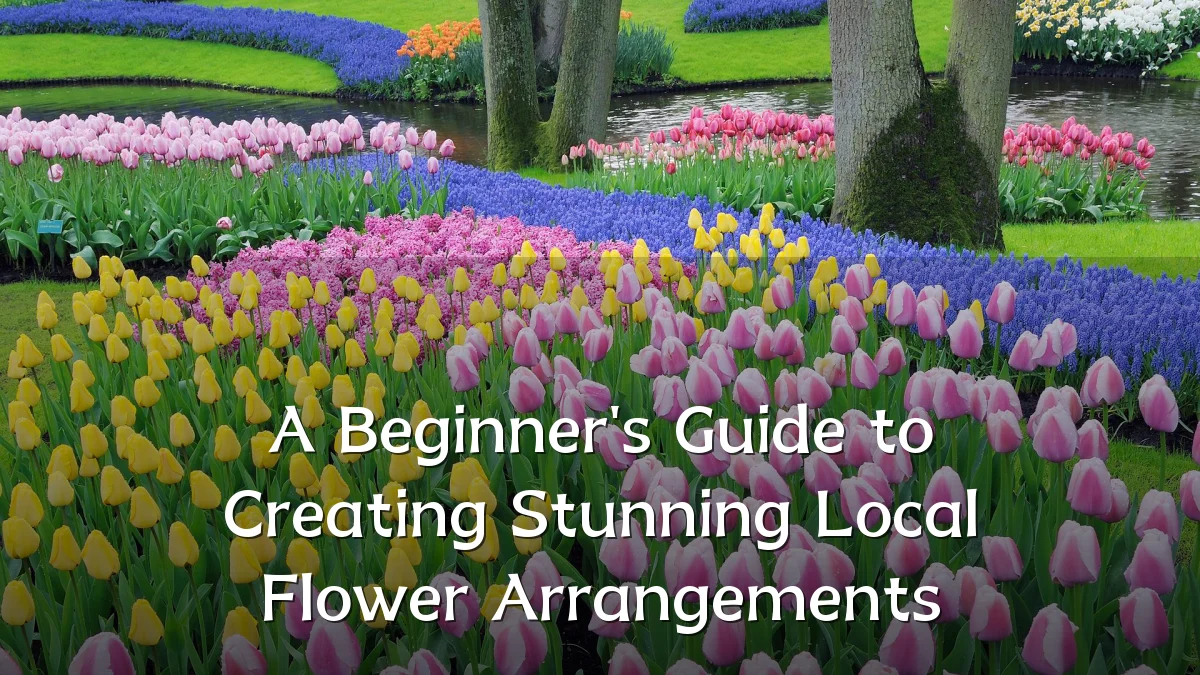
A Beginner's Guide to Creating Stunning Local Flower Arrangements
Recent Trends in Local Floristry
In recent seasons, there has been a marked shift toward locally sourced botanicals among home arrangers and hobbyists. Social-media feeds increasingly feature arrangements built from garden cuttings, roadside wildflowers, and farmers' market stems rather than imported exotics. This movement aligns with broader interest in seasonal living and reduced supply-chain dependency. Workshops and online tutorials emphasizing "slow flower" techniques have seen steady enrollment, particularly among those new to floral design.
Background: Why Local Flowers Matter
The practice of arranging locally grown flowers is not new, but its renewed appeal stems from several structural factors. Local blooms are typically harvested at peak ripeness, offering longer vase life and more intense fragrance than shipped alternatives. Regional growers can cultivate varieties suited to the climate, which reduces the need for chemical treatments. For the beginner, working with readily available stems also lowers the barrier to entry—there is no need to source specialist imports or invest in expensive preservation tools.
Key advantages of local stems:
- Fresher product often lasting 5 to 10 days in a vase when properly conditioned.
- Lower environmental impact due to minimal refrigerated transport.
- Seasonal variety that encourages creativity and adaptability.
- Direct support for nearby farms and community gardens.
User Concerns for First-Time Arrangers
Beginners frequently express uncertainty about which stems to combine, how to extend bloom life, and whether their results will look cohesive. Many worry that using only local flowers will limit color or shape options. Practical concerns include knowing the right harvesting time (early morning or late evening is typically recommended) and understanding basic conditioning steps such as stripping lower leaves, cutting stems at an angle, and changing water every one to two days.
Common pitfalls and how to avoid them:
- Overcrowding the vase, which restricts water uptake and accelerates wilting.
- Mixing heavy-headed blooms with thin stems without structural support like floral tape or a grid.
- Neglecting to remove foliage below the waterline, leading to bacterial growth.
Likely Impact on Local Economies and Hobby Culture
If the current trajectory continues, increased demand for local arrangement materials could encourage more small-scale flower farming, even in suburban and urban fringe areas. Community pick-your-own plots and subscription-style stem shares may become more common. For the home arranger, this means wider access to unusual seasonal cuts—such as flowering branches, ornamental grasses, and late-summer dahlias—that are rarely stocked by conventional florists.
What to Watch Next
Observers are monitoring several developments that could shape the beginner experience over the next year. The expansion of seed-swap networks and public cutting gardens may lower costs further. Meanwhile, a growing number of local libraries now lend flower-arranging tools and vases, reducing the initial investment. Beginners should also watch for regional bloom calendars published by extension services and garden clubs, which provide reliable timing cues for peak local availability.
Signals to track:
- Adoption of "no-waste" arranging methods that use chicken wire or reusable frogs instead of floral foam.
- Inclusion of native plants in conventional florist inventory as buyer preferences shift.
- Partnerships between local growers and community centers to offer sliding-scale workshops for novices.
Editor's note: This analysis is based on observable patterns in the domestic floristry space. Specific availability and pricing will vary by region and season. Beginners are encouraged to test one or two local stems at a time to build confidence gradually.