Stunning Affordable Flower Bouquets Under $20 That Look Expensive

Recent Trends
Consumer demand for budget-friendly floral arrangements has grown steadily, driven by rising living costs and a cultural shift toward mindful spending. Online retailers, local supermarkets, and discount florists now offer curated bouquets under $20 that mimic the fullness and color variety of premium designs. Social media platforms frequently showcase “budget bouquets” that rely on clever composition—mixing inexpensive filler blooms like carnations or baby’s breath with a few focal flowers such as roses or alstroemeria—to create a high-end visual impact.
Key trends include:
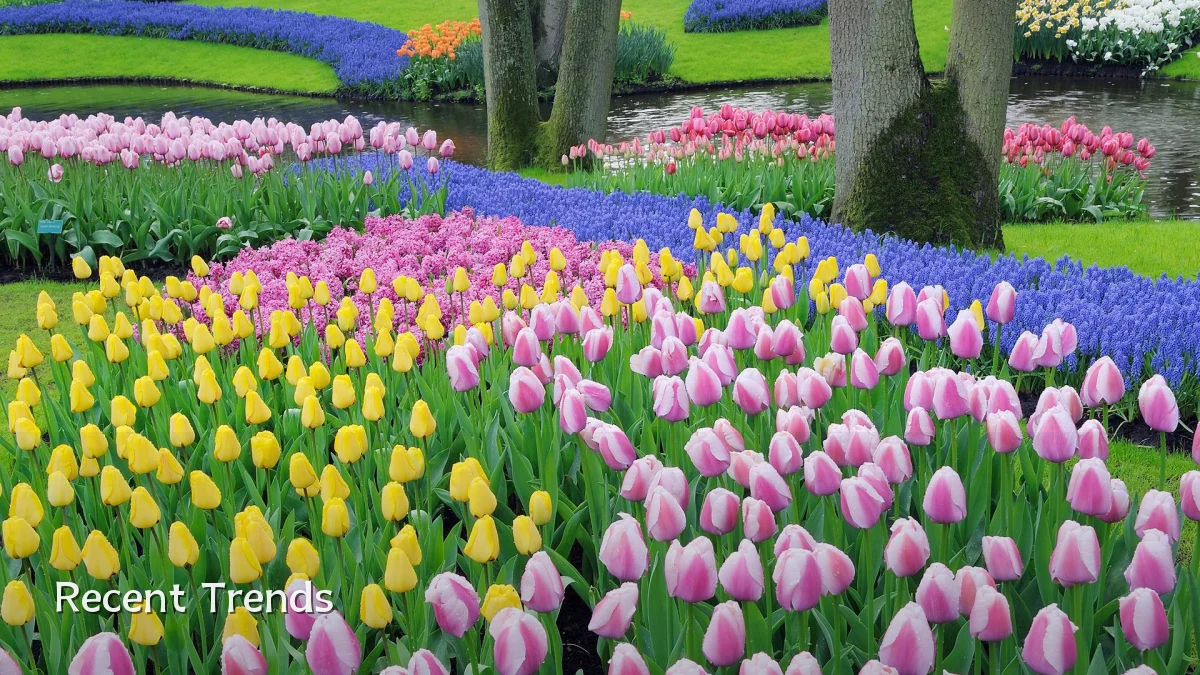
- Use of seasonal flowers (e.g., chrysanthemums, tulips) that are abundant and cost less.
- Retailers offering “market bunches” where customers can choose stems to build their own affordable arrangement.
- Subscription services that deliver small, stylish bouquets at a fixed low price.
- Premade bouquets in grocery chains that deliberately omit premium packaging to keep costs down.
Background
The flower industry has long segmented products by price point, with designer bouquets often carrying steep markups for branding and elaborate wrapping. However, many of the same wholesale blooms used in high-end arrangements are available at much lower cost when purchased directly from growers or through bulk channels. The rise of e-commerce and farm-to-vase models has compressed margins, enabling retailers to offer bouquets under $20 without sacrificing flower quality. Additionally, consumers increasingly judge value not by price alone but by perceived beauty and longevity—factors that skilled arrangement can maximize even on a tight budget.

Typical components in an affordable yet elegant bouquet include:
- Filler flowers (baby’s breath, waxflower, statice) for volume.
- A few larger blooms (e.g., spray roses, gerbera daisies) as focal points.
- Greenery (eucalyptus, leatherleaf fern) to add texture and structure.
User Concerns
When purchasing a low-cost bouquet that aims to look expensive, common worries center on freshness, longevity, and overall design quality. Buyers often question whether the flowers will last more than a few days, whether the colors will match the online image, and whether the arrangement will feel skimpy. Practical considerations include:
- Freshness: Check delivery or pickup date; stems should be firm and water-conditioned.
- Bloom density: Bouquets under $20 typically use fewer premium stems but more fillers; ask about stem count if shopping online.
- Color coordination: Limitations may exist for custom color requests at this price point; pre-made bundles usually offer 1–3 color palettes.
- Vase readiness: Some budget bouquets require trimming and arranging by the recipient, which affects first impression.
“A $15 bouquet can look like $50 if you know which flowers to pair and how to trim stems before placing in water,” one floral educator noted in a recent industry roundtable. “The biggest mistake is expecting a fully styled arrangement straight out of the box.”
Likely Impact
The availability of affordable bouquets that mimic expensive looks is reshaping consumer expectations and purchasing habits. More people now buy flowers for everyday occasions—work desk decoration, hostess gifts, self-care—where they might previously have skipped due to cost. This trend also pressures traditional florists to offer entry-level options or risk losing casual buyers to grocery and online competitors. For flower growers, increased demand for fillers and sturdy greens boosts sales of varieties often overlooked in luxury arrangements. Event planners and DIY brides benefit from lower-cost alternatives for centerpieces and bouquets, allowing larger floral displays for the same budget.
Expected effects include:
- Greater experimentation with flower types as consumers learn which low-cost stems look premium.
- Growth of subscription and “surprise bouquet” models that keep per-delivery costs below $20.
- Increased transparency in pricing and stem counts as shoppers compare value across retailers.
What to Watch Next
The segment for affordable yet stylish bouquets will likely continue expanding, but several factors could influence its evolution. Seasonal availability remains a major variable—spring blooms like daffodils and tulips naturally keep costs low, while winter holidays may push prices up. Supply chain disruptions (e.g., fuel costs, import restrictions) could raise wholesale flower prices, forcing retailers to either shrink bouquet size or raise the price floor above $20. Meanwhile, do-it-yourself arranging tutorials and “flower hacking” tips on social media may further empower consumers to assemble their own high-end looks from bulk stems. Watch for:
- Retailers introducing premium “budget-plus” tiers at $15–$19 with guaranteed same-day freshness.
- More partnerships between florists and grocery chains for curated under‑$20 collections.
- Consumer reviews and unboxing videos that highlight real-world longevity and shape of low-cost bouquets.